Hey — I'm Julia.
I built this course because when I was planning my first solo trip to Europe, I couldn't find what I actually needed. Everything was either generic blog posts, sponsored content, or videos that said nothing specific.
I wanted someone who'd done it to just tell me: where to stay, what to skip, how to meet people, and how to not feel scared.
So I made the thing I wish I'd had. Nothing is sponsored. Nothing is sugar-coated. It's just what I learned, organized into something you can actually use.
— Julia 💜
One-hour calls with course members. Trip planning, hostel picks, safety questions — anything. Think of it as having a friend who's done it on speed dial.
Book the first 3 weeks. Wing the rest. You'll know the rhythm. You'll have heard about places. That's when spontaneity becomes your best friend.
Ask hostel mates. People coming from a city give better intel than any blog.
Check Rome2Rio. What's a cheap bus, train, or ferry ride away?
Leave buffer days. Love a place? Stay. Hate it? Leave. Never book every night.
Julia's take: The best moments were unplanned. The overnight ferry, the street festival, the friend group from a random language exchange. You can't plan magic — but you can leave room for it.
Intra-Europe flights can be shockingly cheap. Book Tue–Thu. Use Skyscanner.
No airport hassle. Often beats flights on total time for shorter routes.
Cheapest. Takes longer. Good when trains are overpriced.
Italy → Croatia saves accommodation AND gets you there. An experience itself.
Compare flights. "Everywhere" search.
ALL options for any route.
Trains + buses. Clean interface.
Always check Rome2Rio first. Compare total time including airports.
Flights: book Tue–Thu. Last-minute midweek can be cheaper than trains.
Use points for expensive legs. Cash for cheap hops.
Rail pass: worth it, but know when to skip it. Julia got one — great for flexible travel. But as a working nomad, sometimes flying was just easier.
Ask hostel mates how they got there. Best route intel comes from other travelers.
Cleanliness — non-negotiable. If this is bad, nothing else matters.
Social vibe — more important than amenities. Look for events, common areas, max age 35 policies.
Location + night transport — can you get back safely after dark? Check Uber/Bolt/transit availability.
Bed quality — shaky bunks and tiny mattresses compound into exhaustion over a long trip.
Events + programming — bar crawls, walking tours, pub quizzes make meeting people effortless.
13 hostels, 8 cities — tap for details
The best hostel of the entire trip — fun, spotless, incredible people. If you're going to Budapest, book this. Full stop.
Clean and amazing. See a Onefam, book a Onefam.
Cleanest hostel of the trip (11/10). Social if you put yourself out there — introduce yourself at breakfast.
The full package — vibes, spotless, perfect location for the French Riviera.
Clean, great vibes — but far from center at night. Florence transport is unreliable after dark.
Very clean, very quiet. Great for recharging. Want social? Try Manuela.
Clean, great beds. Not naturally social — join the bar crawl.
Super friendly crowd. Pick this over Dvor for socializing.
Bar up front makes it social. Beds shake — light sleepers beware.
Clean and well-located. Tiny beds, hard to meet people. London hostels are pricier and less social.
Worst hostel of the trip. Cleanliness unacceptable. Avoid.
Julia's rule: Below 8 cleanliness? Skip it. Above 9 cleanliness but below 6 social? Fine for one night, don't book a week.
Join the waitlist for founding member pricing.
Julia's mama's rule: you must be able to carry what you pack.
You will roll your suitcase over cobblestones, gravel, stairs with no sidewalks. If you can't lift it and walk a few blocks, you packed too much.
Main backpack. Designed for women's frames. Your everything bag.
Wheels for city days. Splits the weight so your back survives.
Pack solids — blacks, whites, neutrals, one accent. Five tops + three bottoms = 15 outfits. Patterns lock you in. Solids give you combinations.
$5-10/day from your carrier. Your number works, texts work. Best for shorter trips.
Download before you leave. Cheap data, works instantly. Europe-wide plans.
Instagram is the universal exchange. Nobody swaps phone numbers — they swap @'s. If you don't have one, make one before your trip. It's how travelers stay connected.
WhatsApp for everything else. Group chats, "let's go out" plans, "which city next week" — it all happens here. Works over WiFi. Download it.
Don't overthink it. An Instagram handle + WhatsApp installed. That's the social infrastructure of backpacker Europe.
Real talk: Most travel friends stay Instagram friends — and that's okay. But some become real ones. It starts with "what's your @?" and goes from there.
This module exists because safety is the #1 concern — and it should be. Not to scare you, but to prepare you. Being aware doesn't mean being afraid.
Never take a regular taxi. Scam risk on price + no location tracking.
Uber or Bolt — always. Bolt is more common than Uber in many cities. Tracked, identified, logged.
Daytime: all transport is fair game. Buses, trams, metro, walking — all safe.
Nighttime: rideshare or nothing. Don't accept random rides.
Download Bolt before you leave. Having both apps means you're never stuck.
Share live location 24/7 with a trusted person. Google Maps or WhatsApp.
Share every ride. Make it a habit, not a decision.
Text someone your plans. Quick text every night. Someone should know where you're headed.
Do not walk alone at night. Use Uber or Bolt.
Do not walk alone at night. Plan your ride home before you go out.
Do not walk alone at night. Pickpockets are aggressive — keep your bag zipped and on you.
Bottom line: Being safe = being prepared. Julia's actual rule: if it's Amsterdam, Florence, or Athens, don't walk alone at night. Get the Uber or Bolt and get home safe.
Lodging is the easy part. Reliable internet is the hard part.
Especially outside major cities. And if you're on an island, assume the wifi might betray you.
Simple, reliable, and easy to set up before you leave. This is the move.
Best overall work cities — reliable wifi, good hours, and hostel/coworking options that actually work.
All solid remote-work cities if you have decent lodging and work from common spaces or coworking.
Near water. Morning swims. Cultural exploration between calls. Prioritize WiFi.
Cities with action — nightlife, music, dancing. Social hostel. Meet people.
Working US hours = meetings from 3pm to midnight. When you close your laptop, real restaurants are closed.
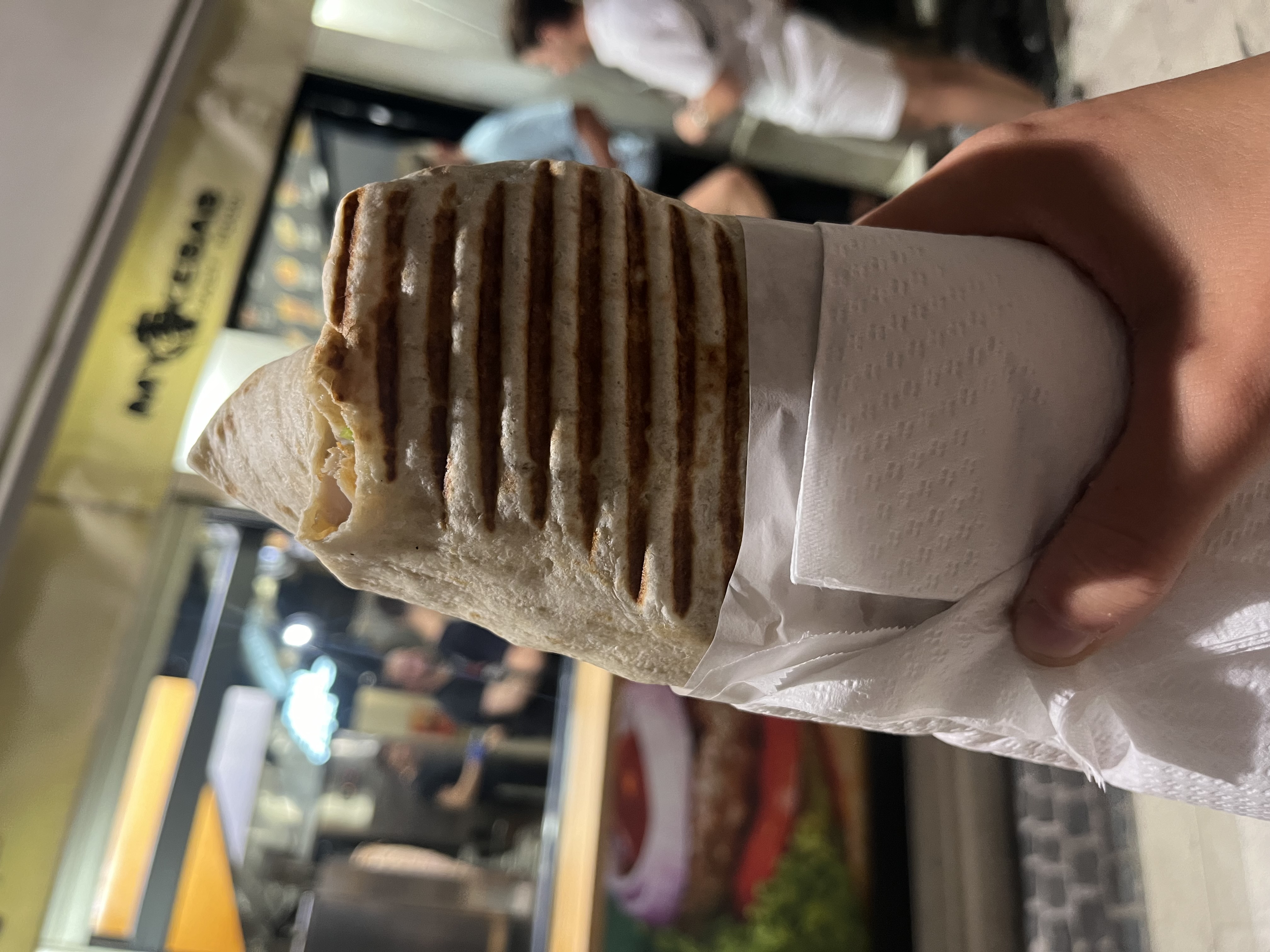
Open late everywhere. Huge portions. Affordable. Julia ate an embarrassing number of kebabs — zero regrets.
European bakeries are another level. A croissant at midnight? A savory pastry on the walk home? This is nomad life.
Julia's rule: The best remote-work cities were Barcelona, London, Stockholm, Prague, Budapest, and Nice. And if you're choosing between a beautiful island and reliable wifi — choose the wifi.

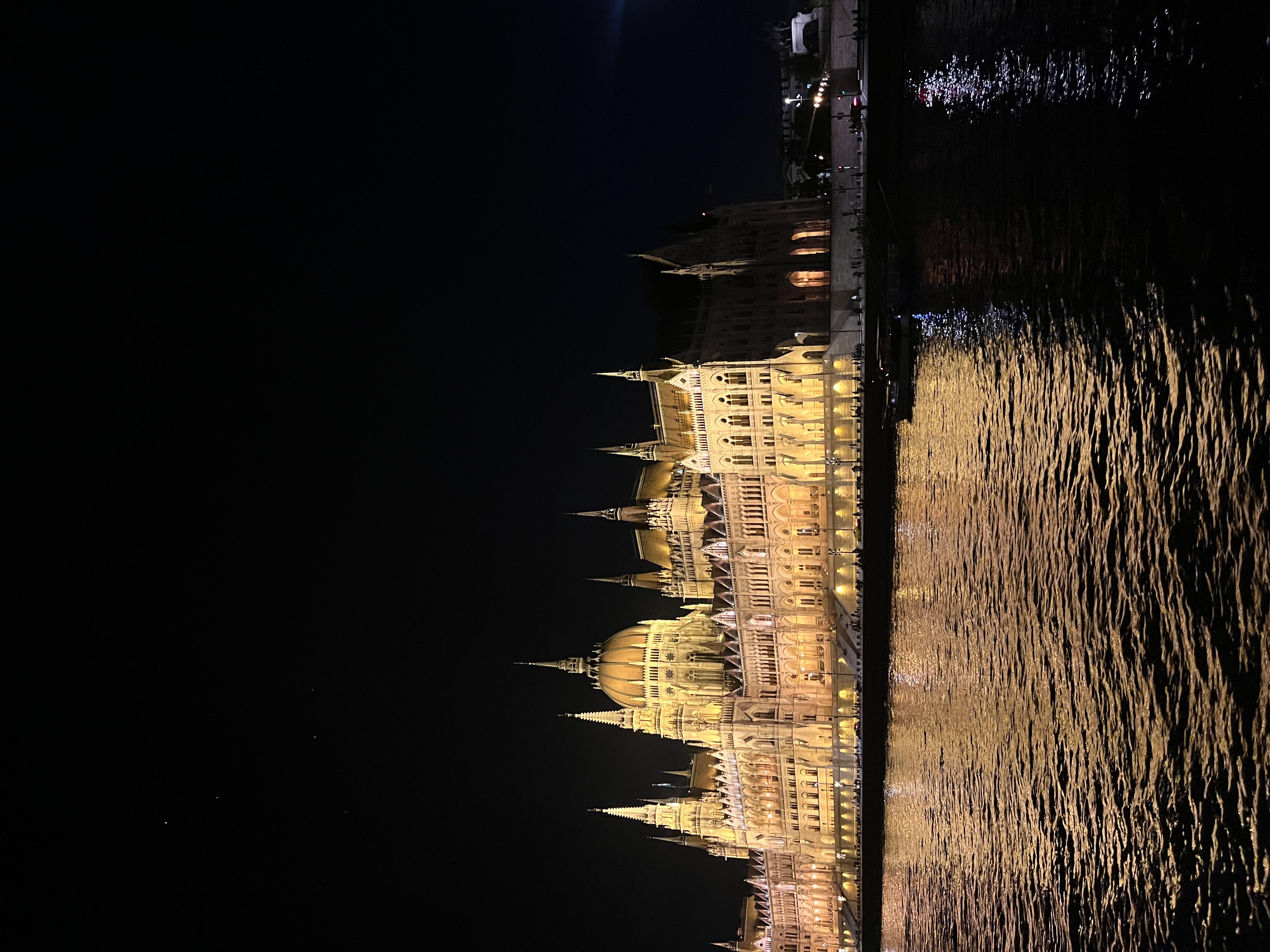
Ruin bars, thermal baths, unreal nightlife. Add extra days — everyone says the same thing.
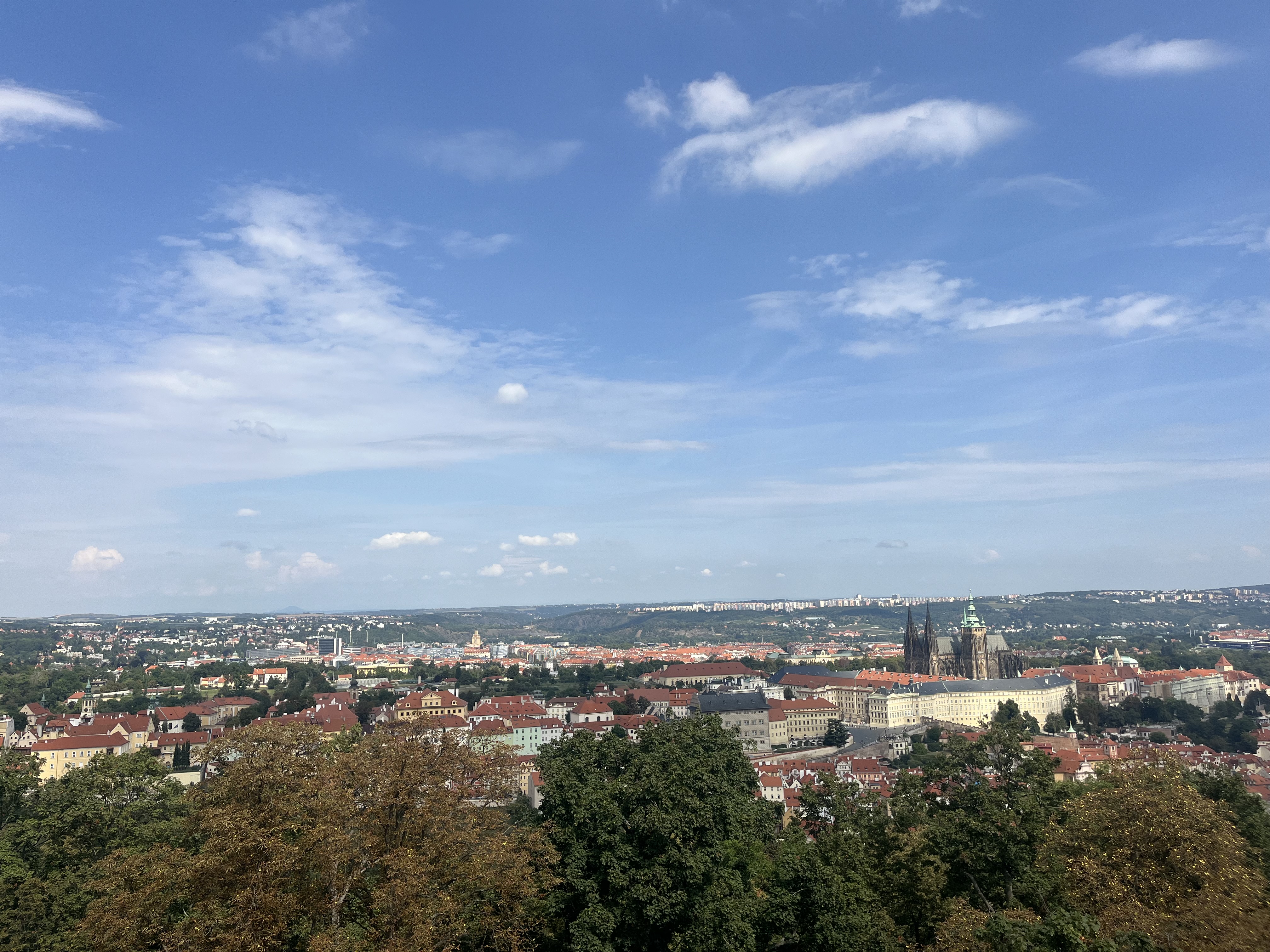
One of the best solo cities in Europe. Jaw-dropping architecture, surprisingly great nightlife. Extremely walkable and affordable — your money goes far here.
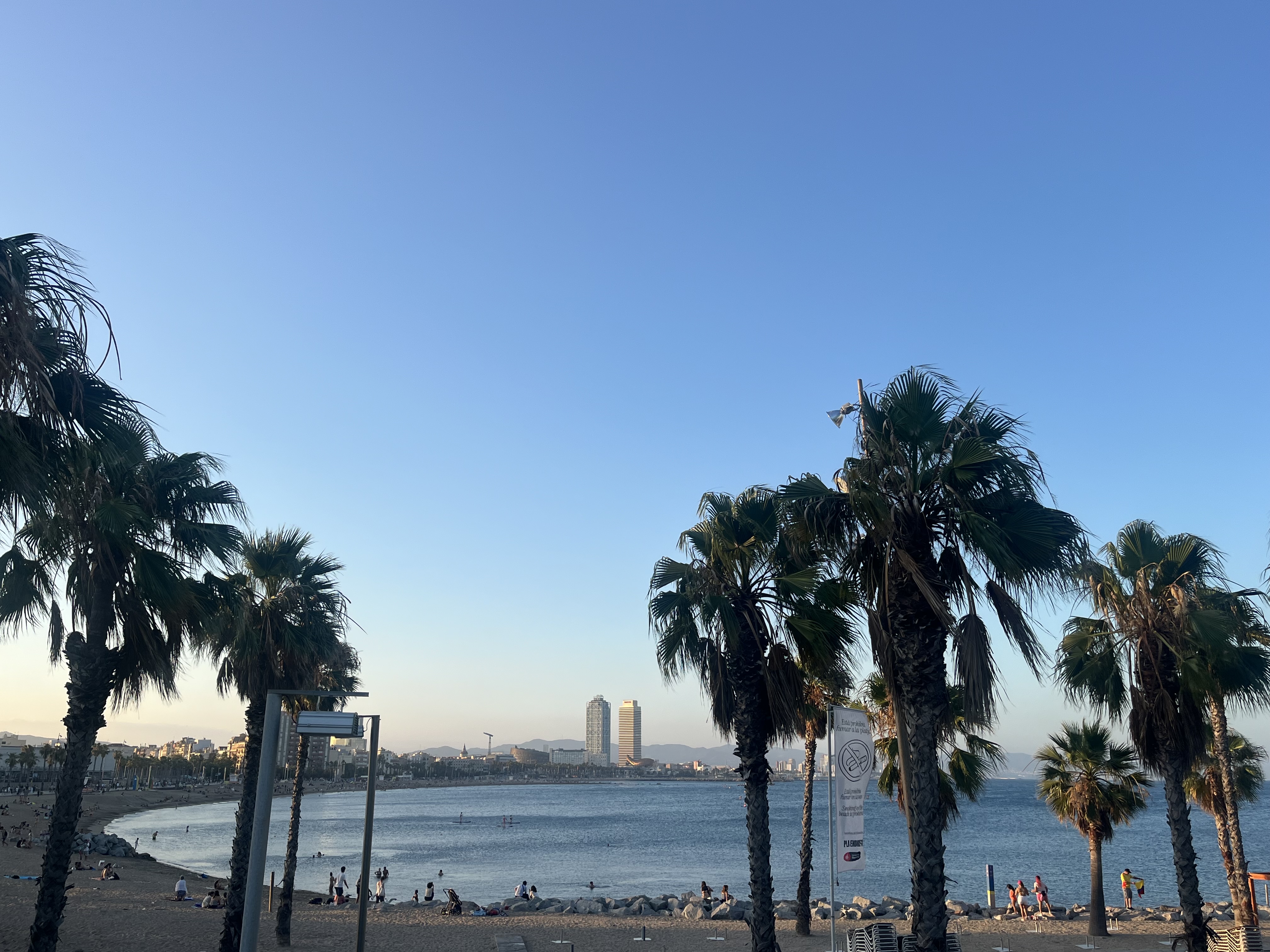
Restaurants open til 1am, nightlife goes all night. La Festa de Gràcia in August was probably the best time of my life — decorated streets, live music everywhere. Plan your trip around this if you can.
Don't miss: Mercat de la Boqueria (morning market — go early), Bar Restaurant Pinotxo inside the market, La Pepita for lunch, NAP Antic for pizza, Nomad Coffee, Pg. de Joan de Borbó for waterfront dining.
Social scene: Eventbrite language exchanges, George Payne bar (huge traveler crowd), Generator for parties.
Practical: Locker in the City (Carrer de Trafalgar) — luggage storage for arrival day before check-in. Cheap, central, reliable.
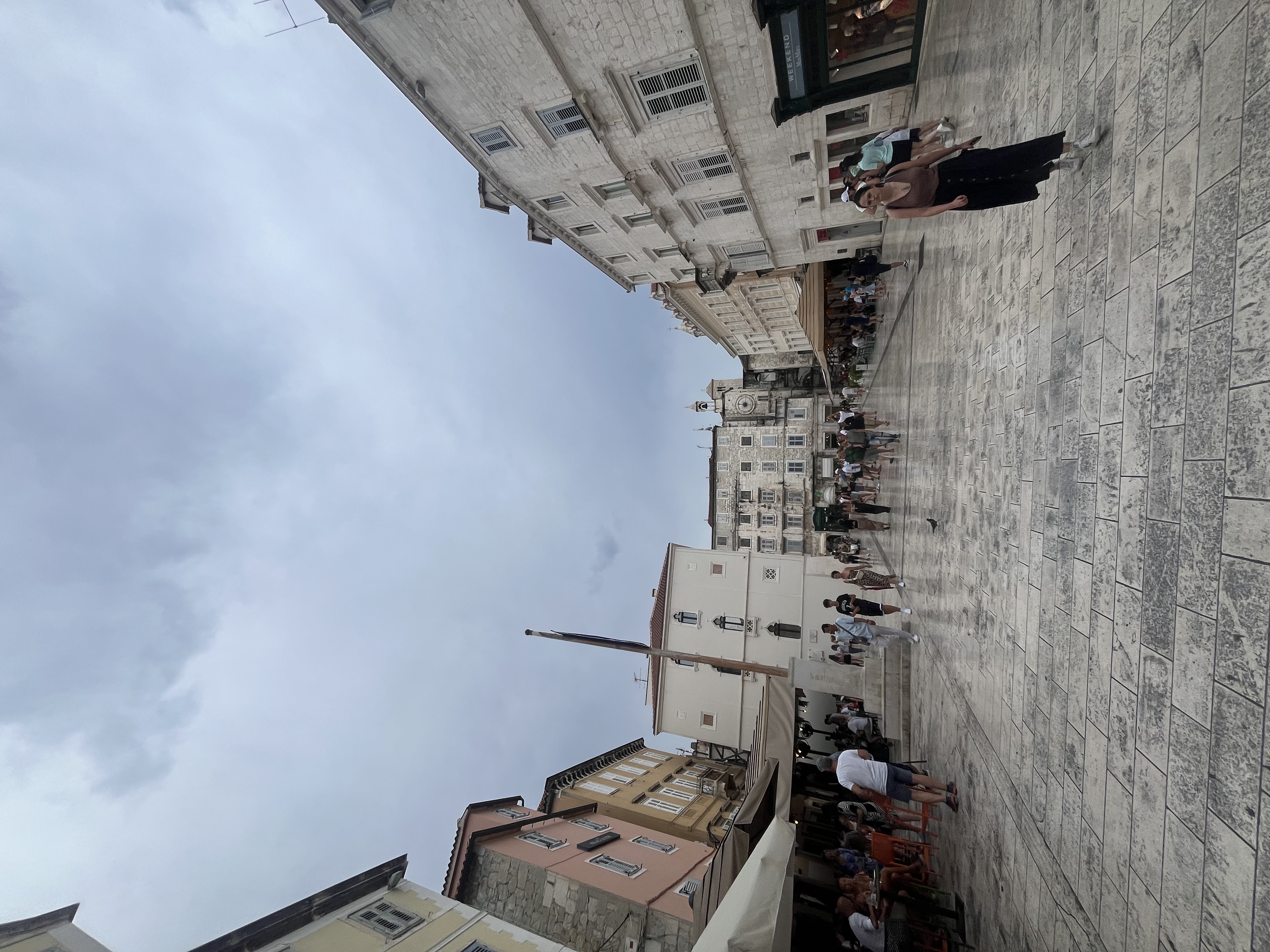
Great swimming, cute old town, no mass tour groups. Felt like a real place, not a tourist trap. Good base for island-hopping.
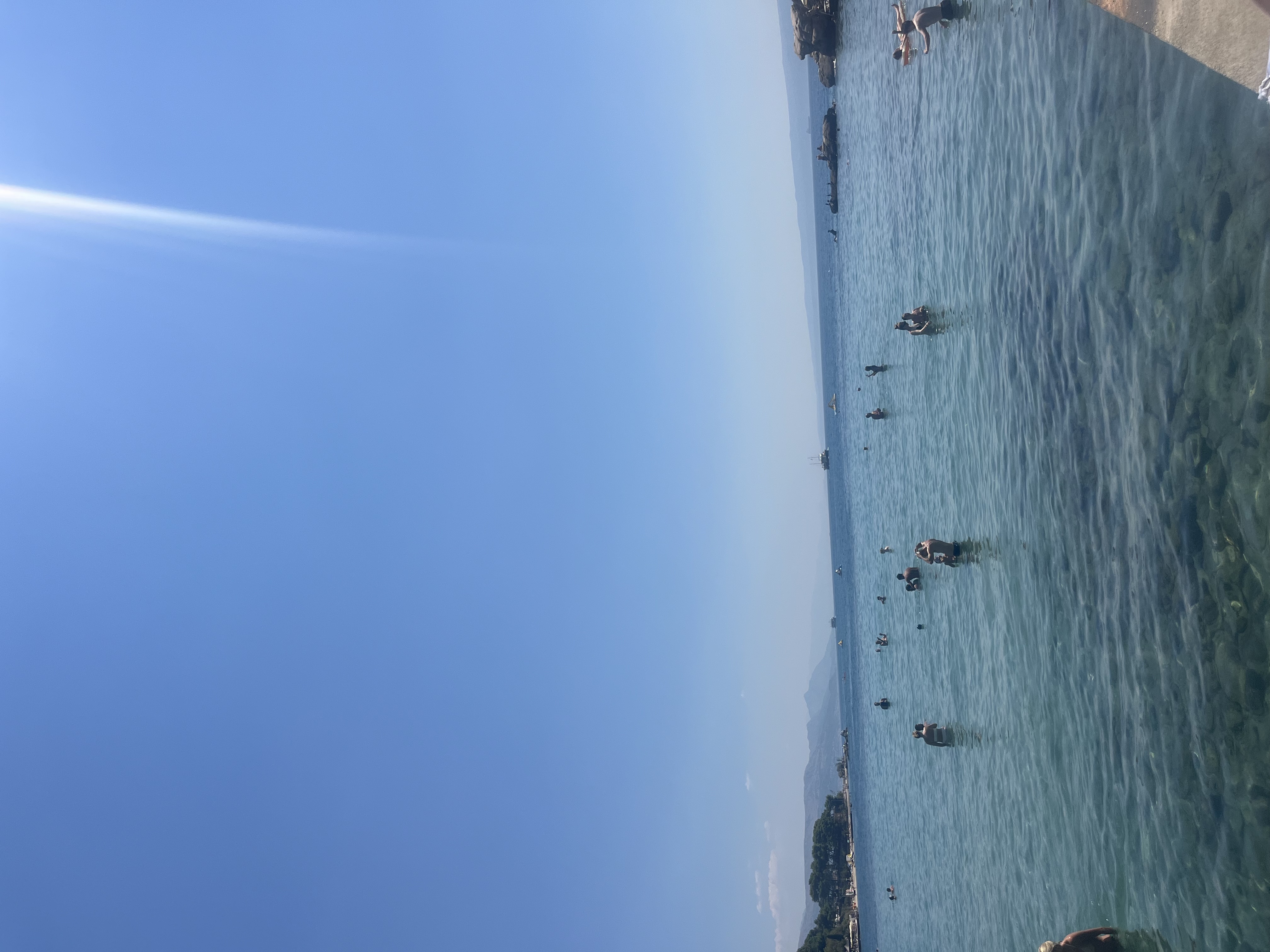
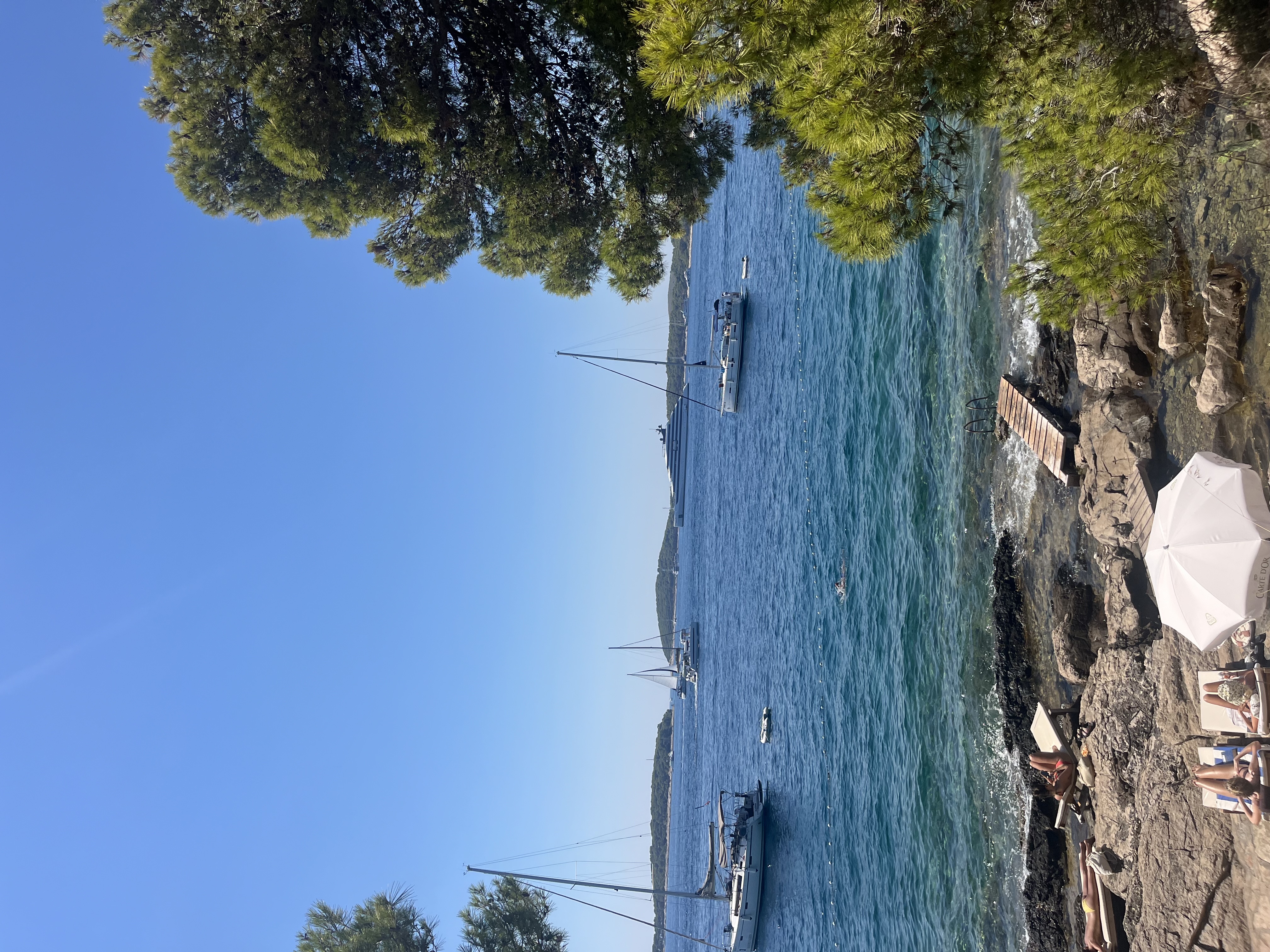
Beautiful island, great for beaches and nightlife. But if you're working remotely — skip it. I tried 4 different spots including hotels and the wifi everywhere is terrible. Come here to actually be on vacation.
Heads up: WiFi is genuinely bad island-wide. Not an exaggeration. Leave the laptop at home.
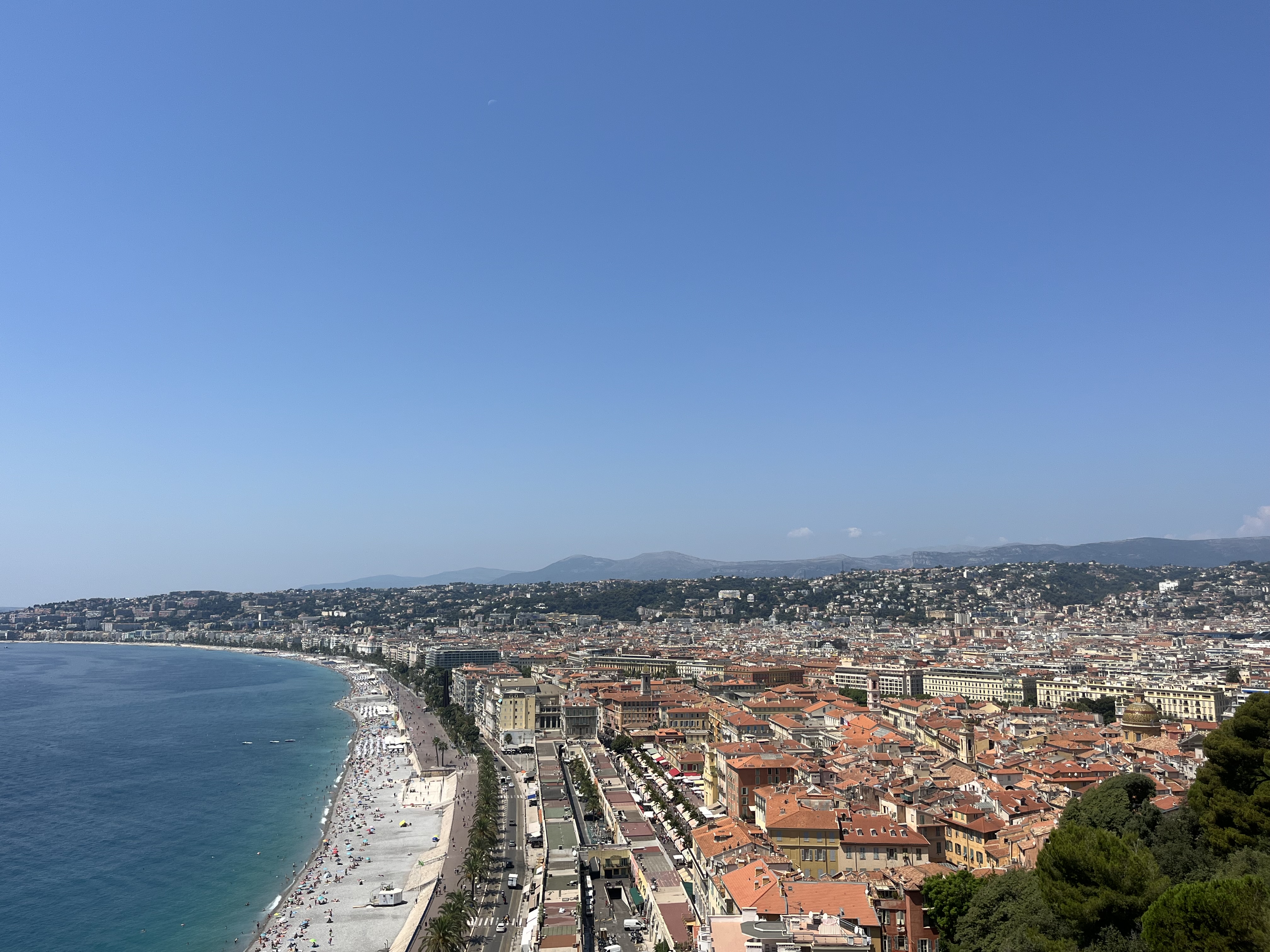
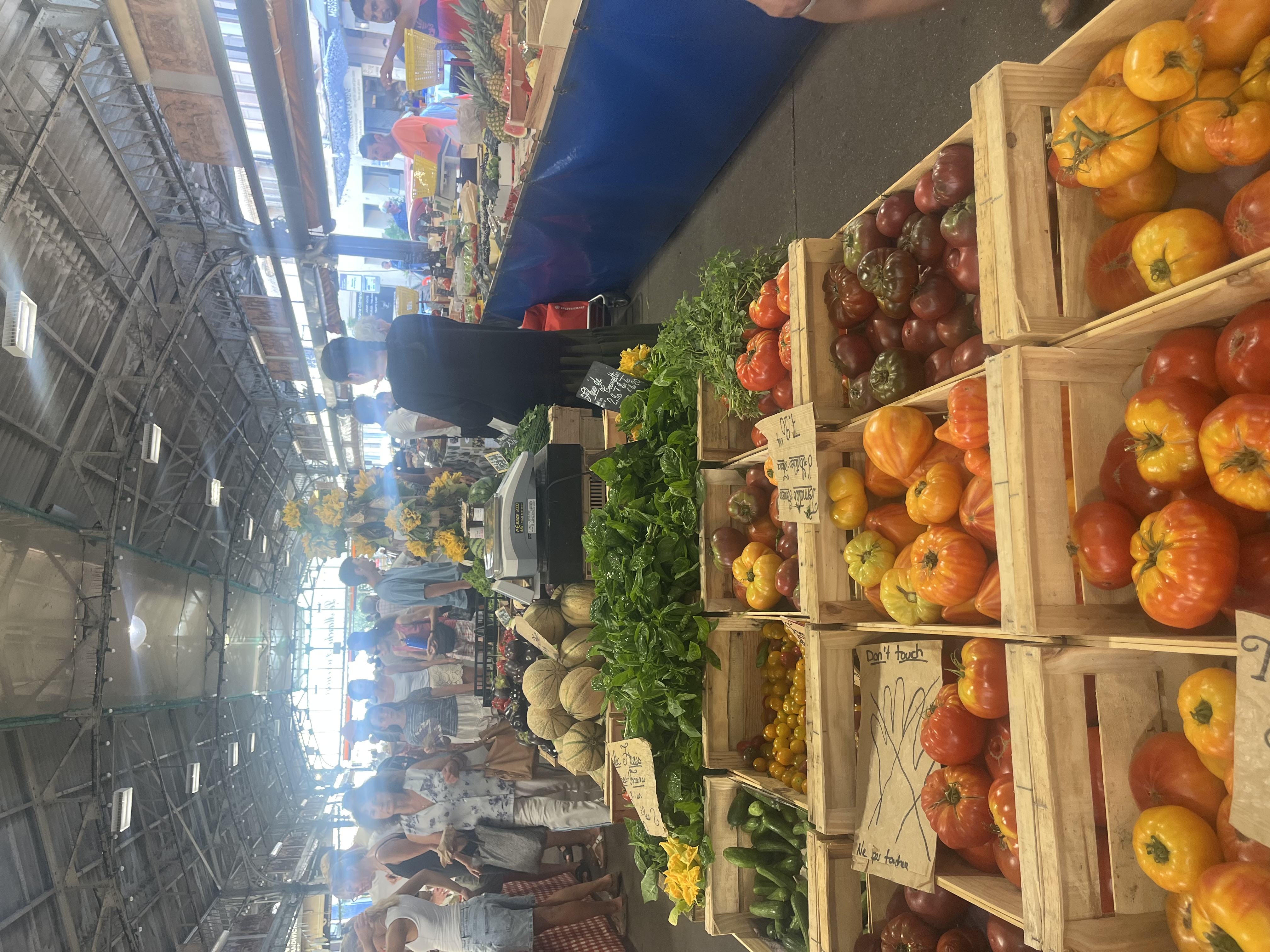
Base yourself in Nice and explore outward — the French Riviera is incredibly easy to day-trip from here. Pebble beaches, stunning Old Town, flower market, and day trips to Italy just 40 mins away.
Must-do: Cours Saleya market (flowers + produce), Old Nice (Vieux Nice) for socca crepes and cobblestone streets, Château hill for panoramic views, Mala Beach for swimming, Flower Market on Tuesday mornings.
Day trips: Ventimiglia, Italy (40 min by train — great market town), Île Sainte-Marguerite by ferry from Cannes, Calanques National Park, Antibes for local food.
Eat: Pasta Basta for Italian, Wayne's Bar for a lively night out.
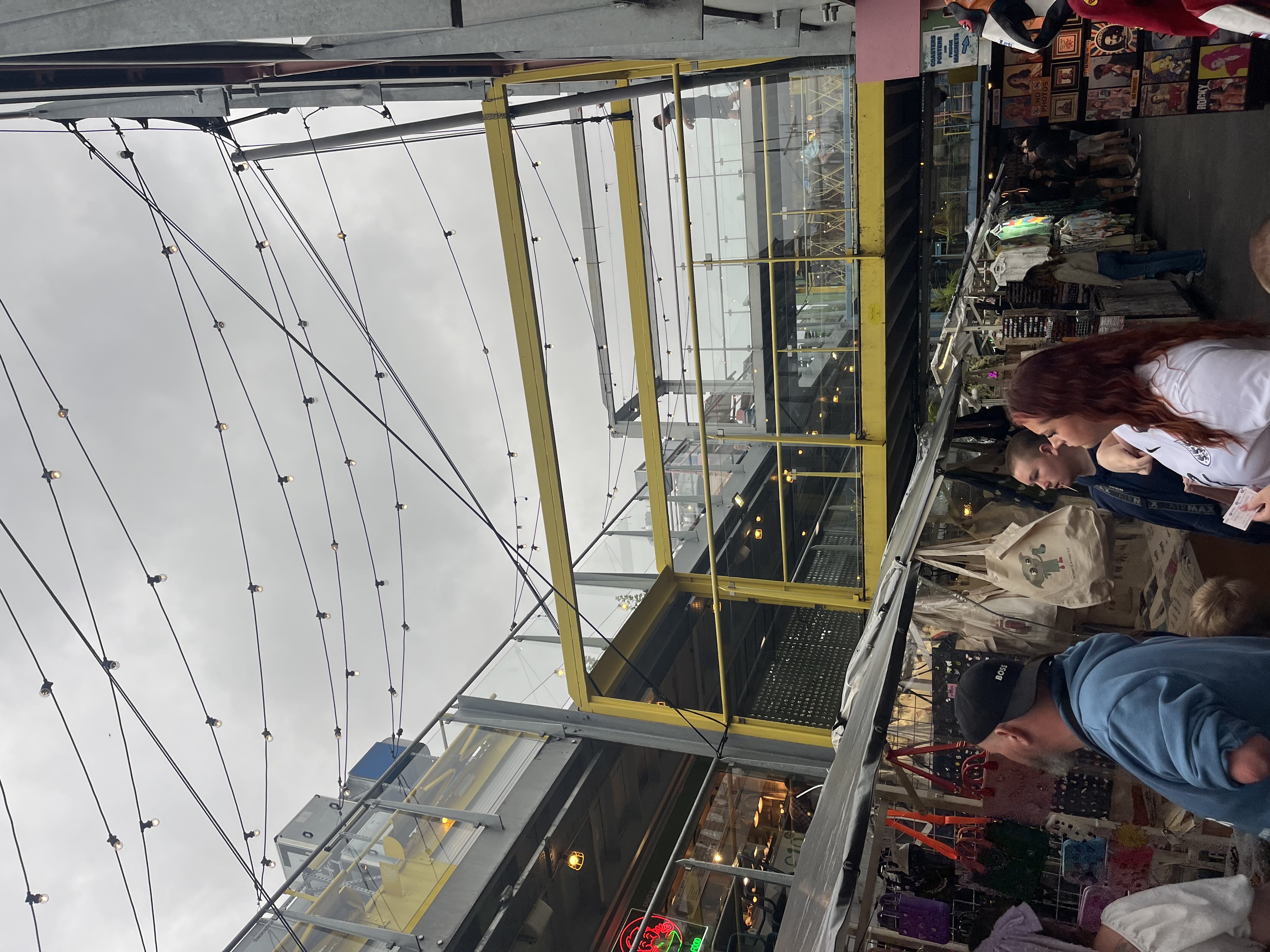
Feels like New York but older and more interesting. Easy to navigate solo, every neighborhood has its own personality. Borough Market for food, pub crawls, and there's great social dancing if you look.
Eat + drink: Borough Market (go hungry), Mei Ume for a treat-yourself dinner, NAC for ice cream.
For digital nomads: F45 gyms are everywhere. Good coworking options across the city.
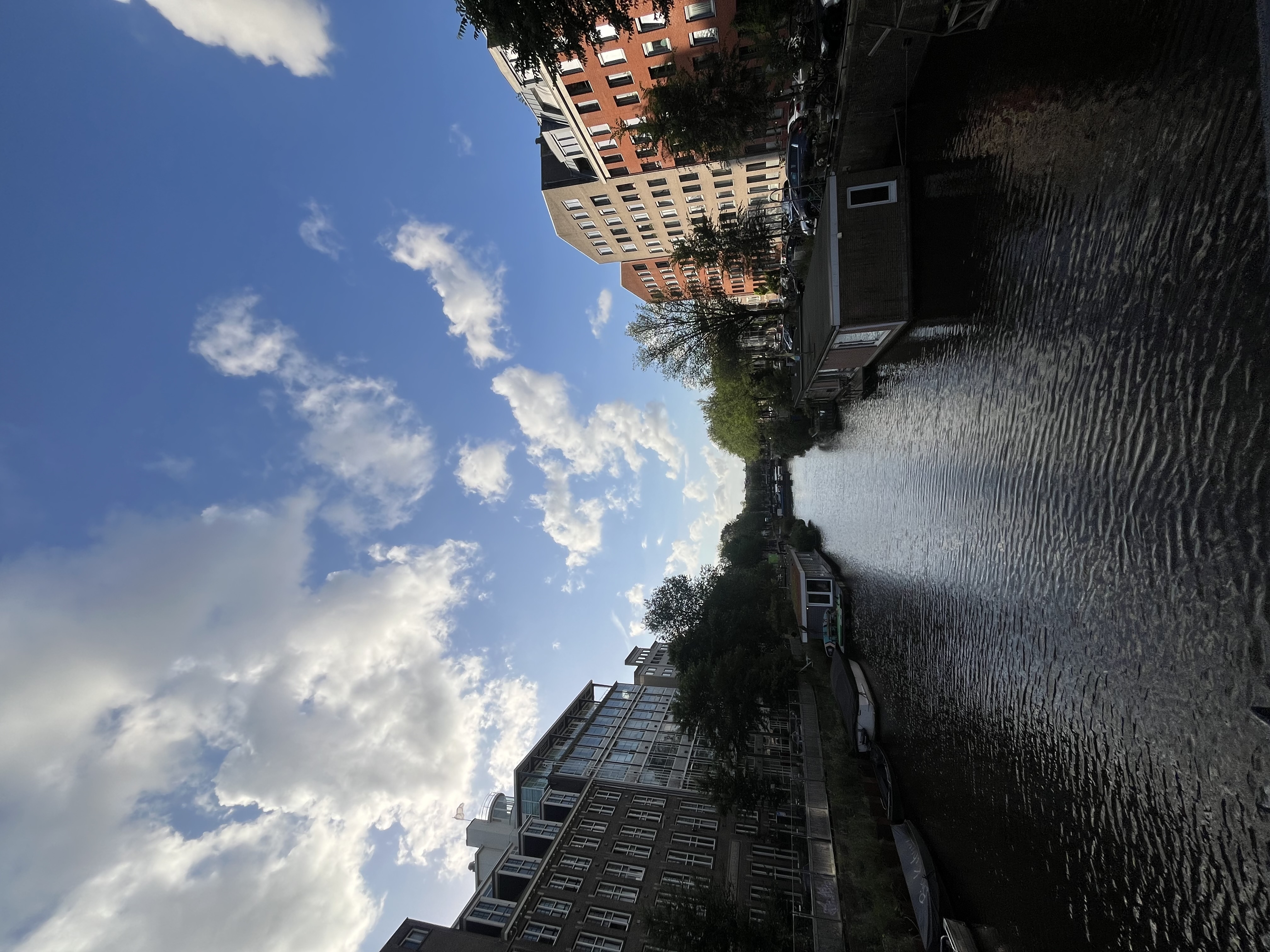
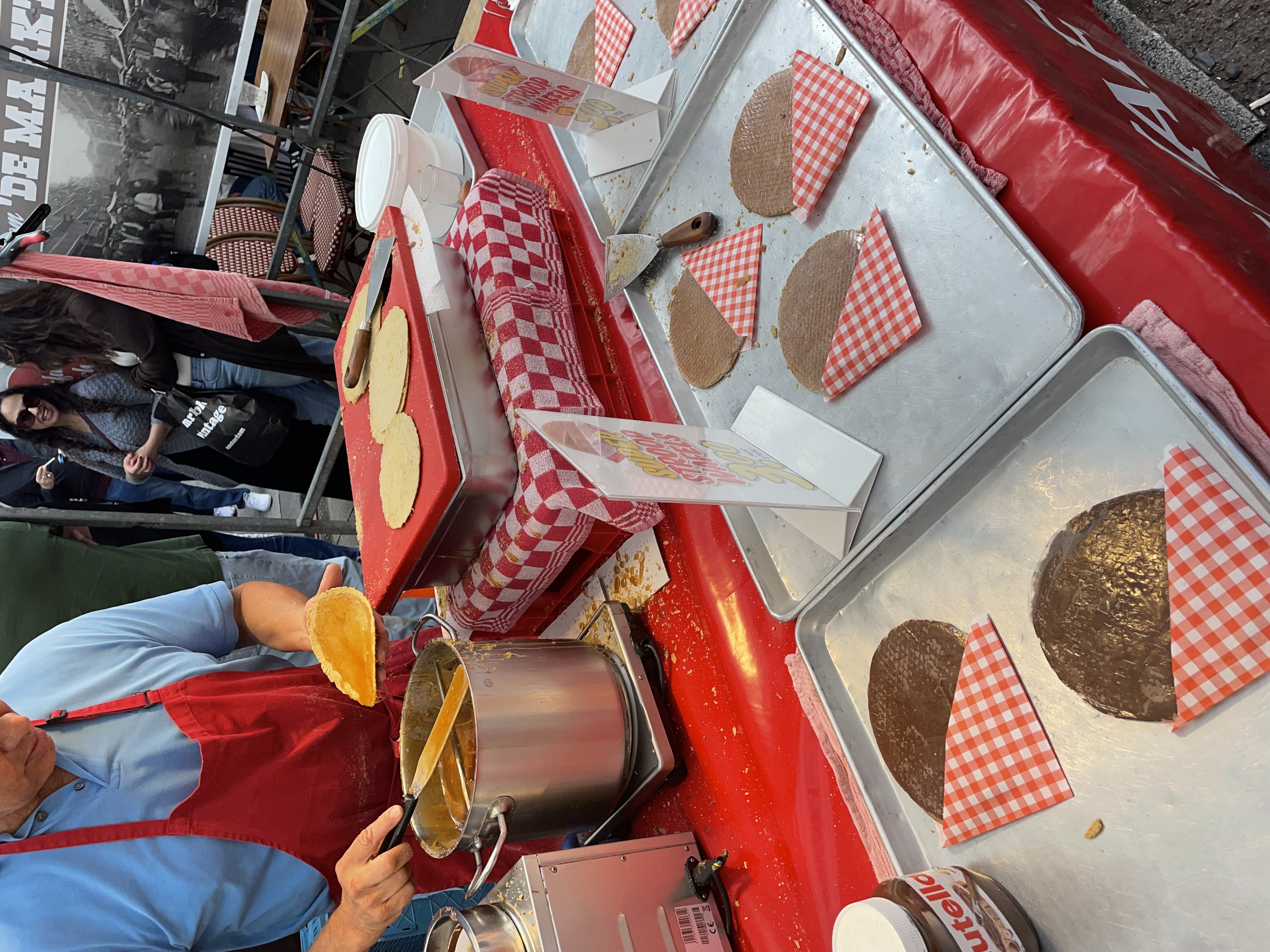
Amsterdam is fun but the real move is using it as a base for day trips — Utrecht and 's-Hertogenbosch (Den Bosch) are genuinely special and almost no one goes. Easy rail connections from Amsterdam Centraal.
Day trips: Utrecht (beautiful canals, way less crowded than Amsterdam), 's-Hertogenbosch / Den Bosch (medieval architecture, incredible food market).
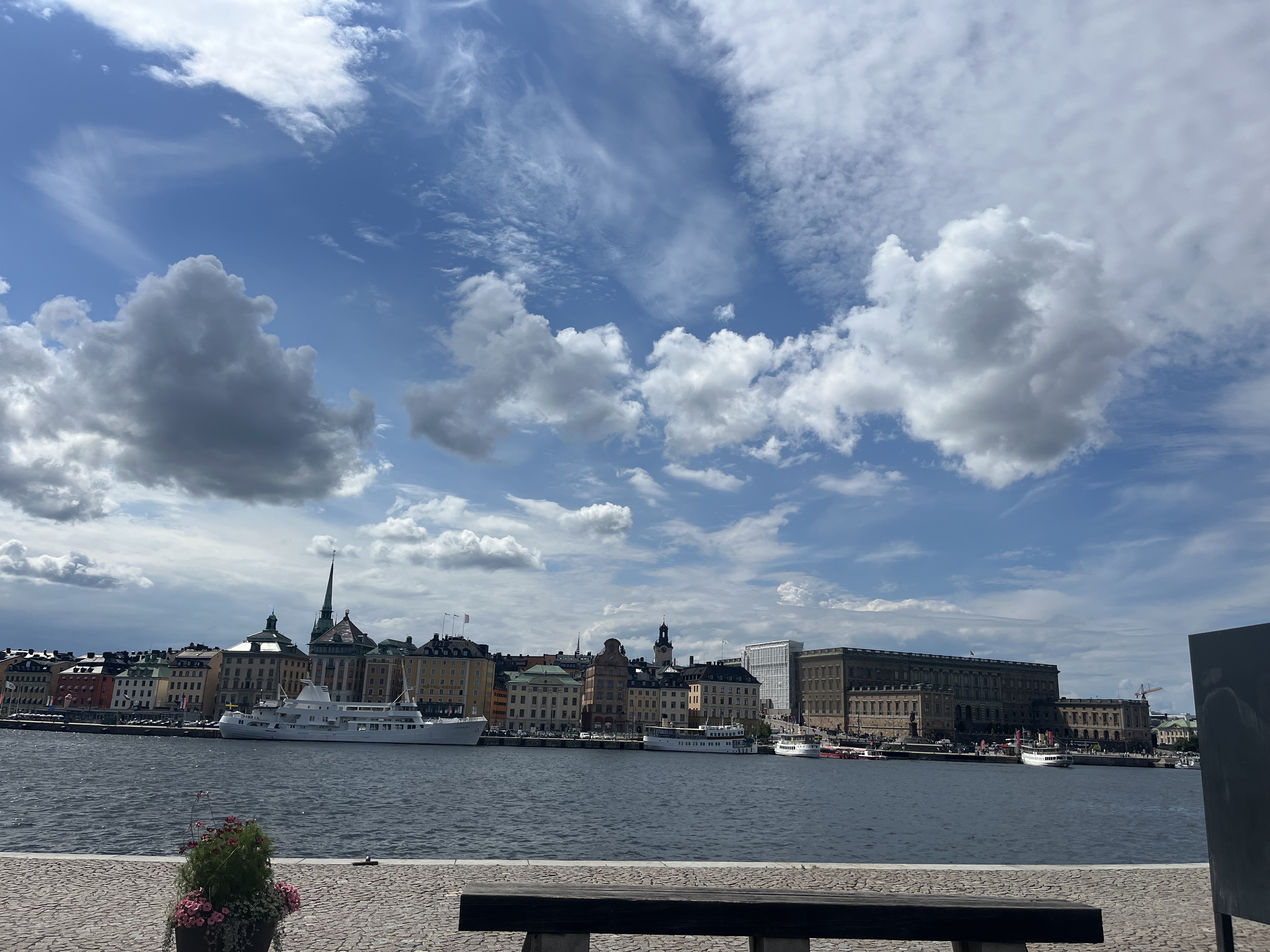
Stunning city — clean, safe, easy to get around. Yes it's expensive, but it's worth it. Use the city ferry (Djurgårdslinjen) to get around the islands. Budget tip: the ferry doubles as sightseeing.
Must-do: ABBA Museum (genuinely fun even if you're not a superfan), Fotografiska photography museum, Gröna Lund (amusement park on the water), sunset kayak tour — one of the best things I did in all of Europe.
Also: Nobel Museum, Kungsträdgården park, Fjärilshuset Haga (butterfly house), Old Orangery, Restaurang Gubbhyllan for dinner.
Transport: City ferry (Djurgårdslinjen) = the move. Covers most main attractions and feels like a mini cruise.
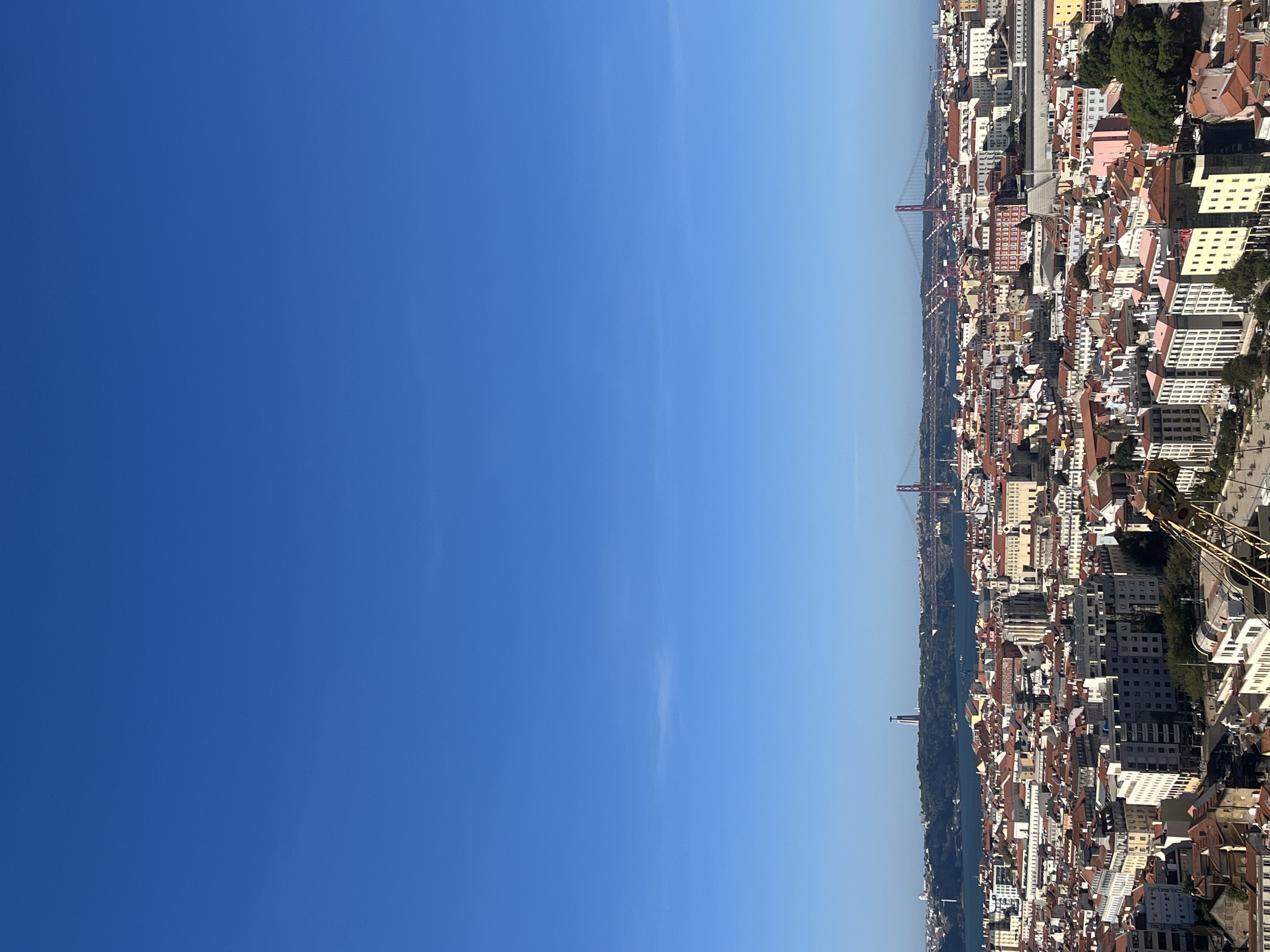
Gorgeous city, major San Francisco energy — hills, a famous bridge, ocean views, very affordable. I walked down to the waterfront to see the 25 de Abril Bridge and the boats on the Tagus River, and rode the funicular up through the old neighborhoods. Worth the trip just for that. Only caveat: the backpacker crowd skews slightly older if you're in your 20s, and I stayed with friends so can't speak to the hostel scene firsthand.
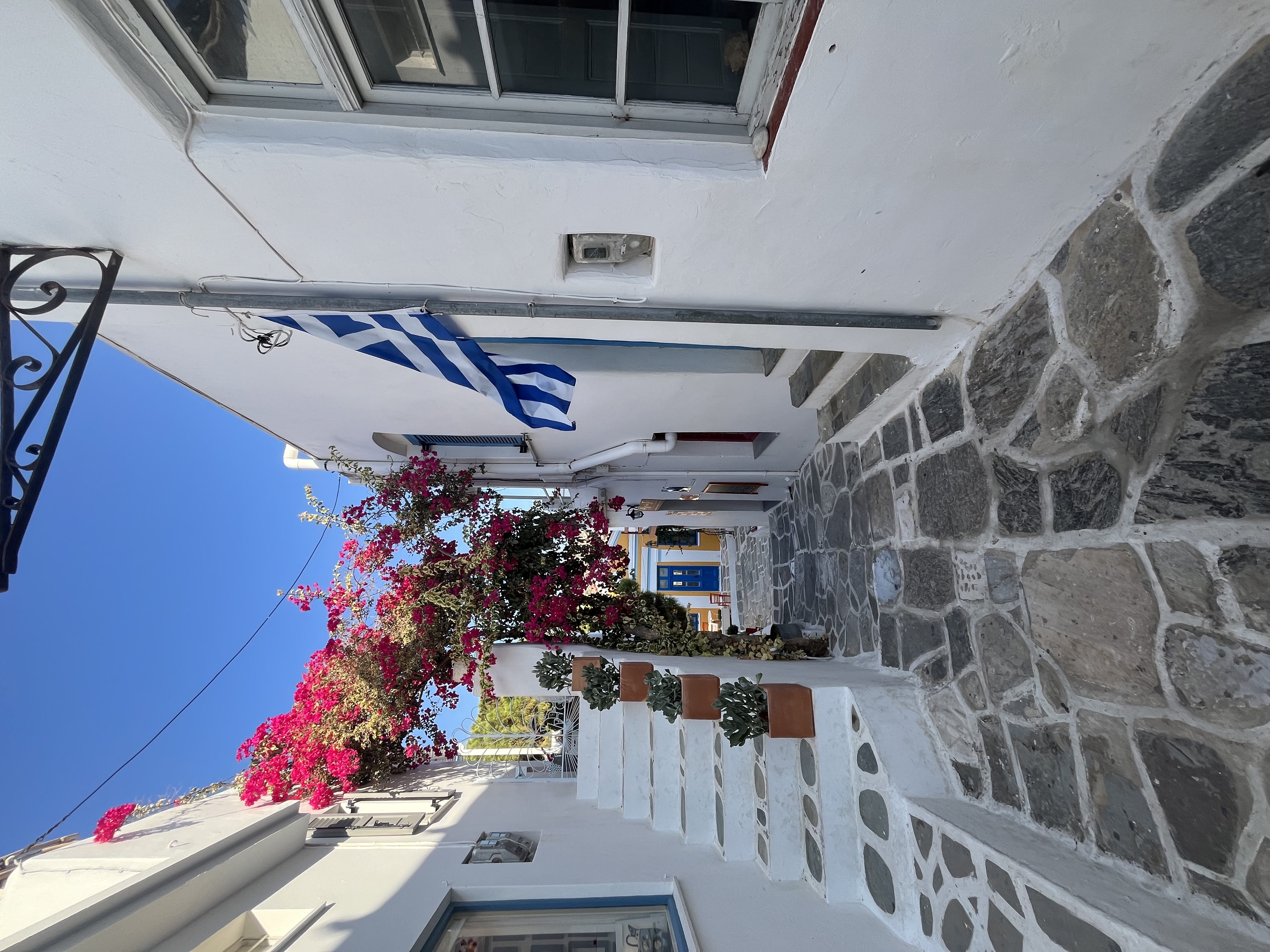
All party. Beaches meh.
Beautiful, posh. One day is enough.
Chill. Better with friends.
Party + nice beaches. Best solo pick.
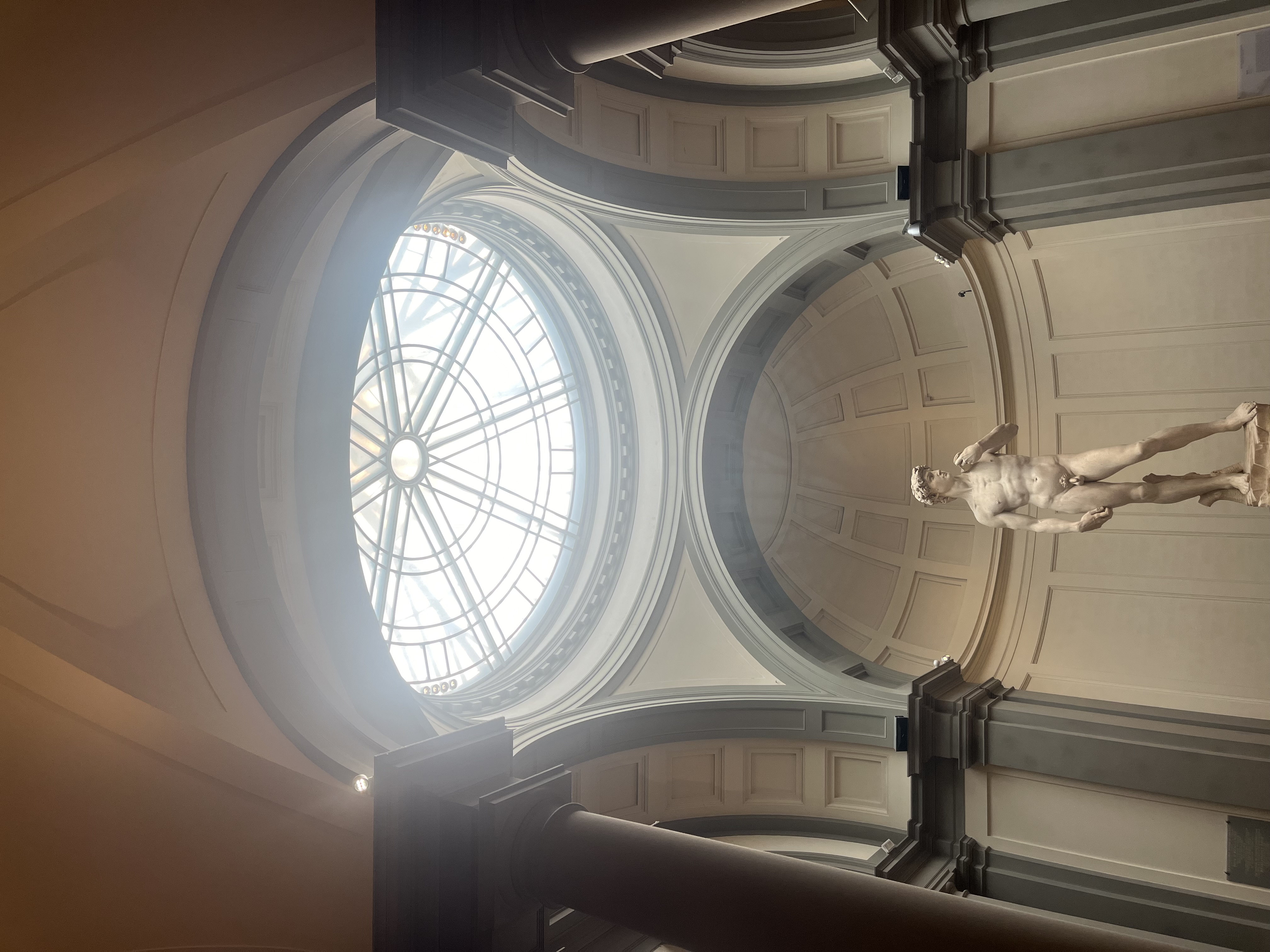

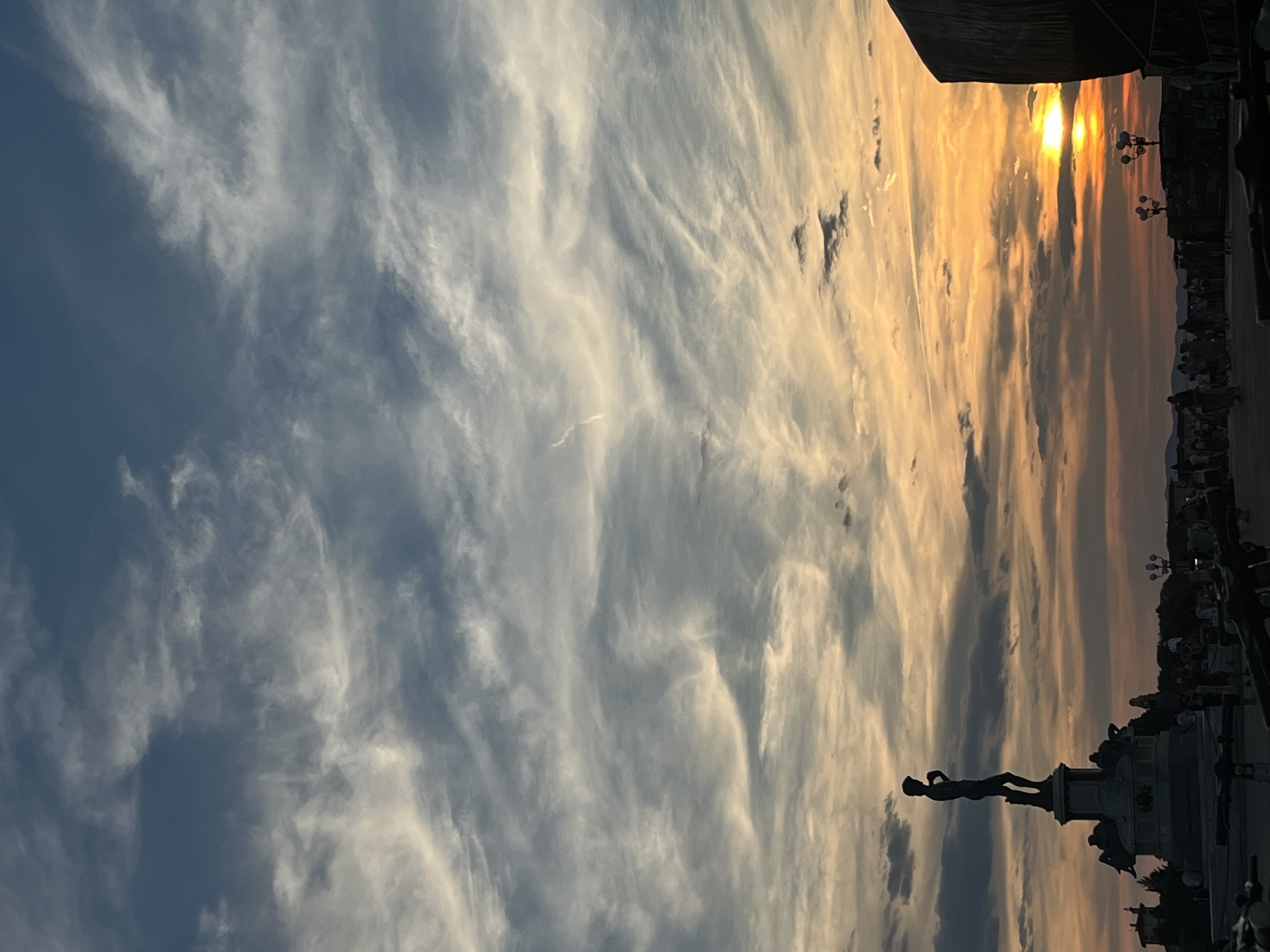
Incredible pasta, world-class art. But transport at night is unreliable and can feel sketchy as a solo woman. Plan around that and you'll have a great time.
Stayed at YellowSquare Florence — good social scene, centrally located.
You'll pass through here for the islands. It's fine — the Acropolis is genuinely impressive and Bedbox Hostel has nice curtained bunk spaces so you actually get some privacy. But don't plan extra days. Crossbody bag, zipped, hand on it at all times.
Mosquitoes, nothing going on, not worth the detour. The one silver lining: incredible vegan gelato. That's it.
Italian trains are always late. Don't book tight connections.
Check transport before you book. No Uber? Make sure transit is close.
Get travel health insurance. Cheap. You'll be glad.
Solo travel is a self-love accelerator. Confidence compounds.
Carbs in Europe hit different. Not the trip to diet.
Ask hostel mates. "Where did you like?" is how Julia found the overnight ferry to Croatia.
Free walking tour on day one. Meet locals, other travelers, and get food/bar recs from the guide.
Check Google Maps highlighted areas. Yellow zones = street markets, festivals, neighborhoods with energy.
Browse Eventbrite + Facebook. Language exchanges, meetups, and social dancing — search "Salsa in [city]" on Facebook. Great way to meet people and something you can do alone comfortably.
Time your trip to festivals. La Festa de Gràcia in Barcelona (August) was "probably the best time of my life."
Small town, incredible food, hidden gem energy. Where the locals eat.
August street festival. Decorated streets, live music. Plan your trip around this.
Skip the flight. An experience itself — saves accommodation too.
Best beach for solo travelers. Party plus genuinely beautiful water.
Rule #1: You have to make the first move.
It feels awkward for 10 seconds then it's fine. Everyone at a hostel is open to meeting people. Just say hi.
Meet other travelers. Works whether you're in a hostel, Airbnb, or hotel.
Eventbrite. Hit or miss, but Julia's Barcelona crew started here.
Search "Salsa in [city]" on Facebook. You can do it alone comfortably.
Sit at the bar. Chat with locals. Fills half a day and beats loneliness.
Book hostels with events. Bar crawls, walking tours — engineered to connect people.
Max age 35 hostels. Better programming, backpacker crowd.
Prioritize friends over dates. "No talking stage — meet me somewhere on the trip and we can talk there."
Mindset: Solo travel isn't lonely travel. Some days dinner with 6 new friends. Some days alone with a book. Both are perfect.
Free city tour = food recs. Ask the guide "Where do YOU eat?"
Find the local market. Every city has one. Cheaper, fresher, more interesting.
Google Reviews + Yelp work in Europe. Sort by recent, read local reviews.
Read local food blogs. "[city] food blog" finds spots TripAdvisor never will.
Ask locals directly. At shops, hostels, markets. People love sharing their spots.
Way more offerings in Europe than the US. Surprise bags from restaurants and bakeries at huge discounts. Fun way to try places you wouldn't have picked. Budget a few bags per week as adventure meals.
Carbs in Europe hit different.
Eat the bread. Eat the pasta. Eat the croissant. Not the trip to count calories.
Join the waitlist — founding members get early access and launch pricing.